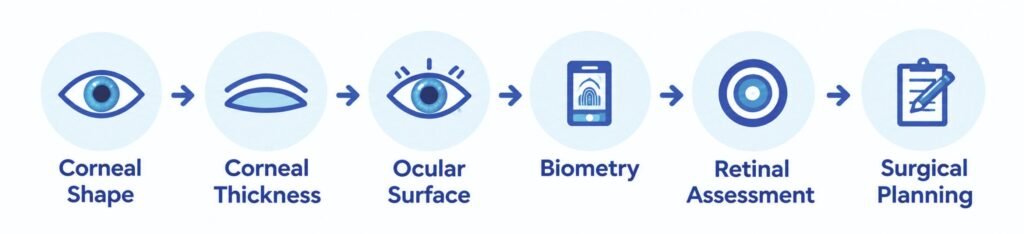
Comprehensive Corneal Evaluation
Depending on the clinical requirement, assessment may include:
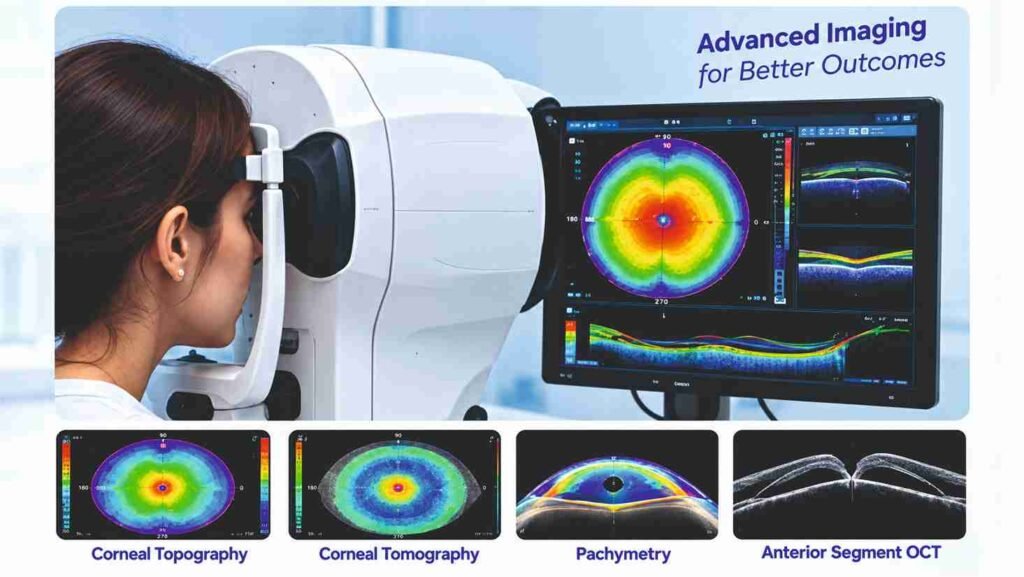
✓ Corneal topography
✓ Corneal tomography
✓ Pachymetry
✓ Keratometry
✓ Slit-lamp examination
✓ Tear-film and ocular-surface assessment
✓ Detailed anterior-segment evaluation
✓ Corneal imaging and serial monitoring
Important Note : These investigations help assess corneal curvature, thickness, regularity and overall structural integrity.
Personalized Treatment for Better Outcomes
Treatment is tailored to the type and stage of glaucoma, target eye pressure, optic nerve status and risk of progression.
Keratoconus & Corneal Ectasia
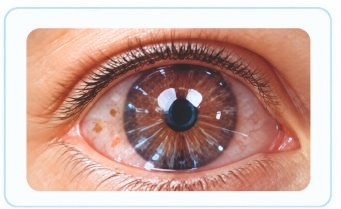
A progressive condition in which the cornea becomes thinner and more irregular, potentially causing increasing myopia, astigmatism and reduced visual quality.
Management may include:
✓ Spectacle correction in early disease
✓ Specialized contact lenses
✓ Corneal cross-linking
✓ Management of corneal irregularity
✓ Advanced surgical options for selected advanced disease
Corneal Infections & Inflammation
Prompt diagnosis and appropriate antimicrobial or anti-inflammatory treatment may be required for infectious or inflammatory corneal conditions.
Corneal Dystrophies & Degenerative Disorders
Detailed examination and imaging help in diagnosis and long-term monitoring of selected corneal disorders.
Ocular Surface Disease & Dry Eye
Dry eye disease can cause:
✓ Burning
✓ Foreign-body sensation
✓ Fluctuating vision
✓ Watering
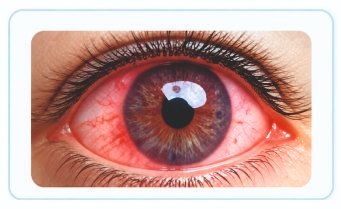
✓ Redness
✓ Light sensitivity
Management may include:
✓ Tear-film assessment
✓ Lubricants and medications
✓ Eyelid / meibomian gland care
✓ Anti-inflammatory therapy
✓ Individualized treatment plan
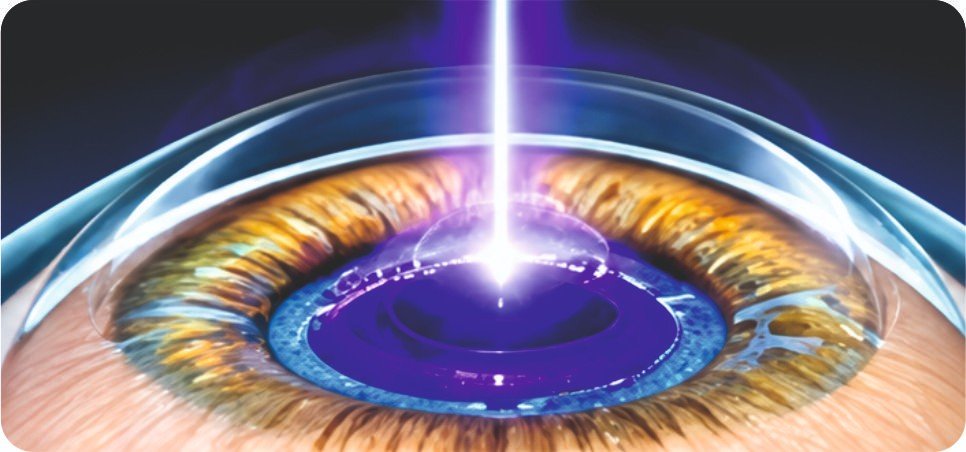
Advanced Refractive Surgery
For suitable candidates, refractive procedures may include:
LASIK
Femto-LASIK
PRK / Surface Ablation
The choice of procedure depends on corneal thickness and shape, refractive error, ocular-surface health and other individual parameters.
Not every patient is a LASIK candidate. Comprehensive screening is essential before recommending laser vision correction.
Corneal Cross-Linking
Strengthening the Cornea. Protecting Vision.
Corneal Collagen Cross-Linking (CXL) is an established treatment used in appropriately selected cases of progressive corneal ectasia, particularly keratoconus.
Its primary purpose is to strengthen the biomechanical stability of the cornea and reduce the risk of further progression.
Key Benefits
✓ Strengthens corneal stability
✓ Helps slow disease progression
✓ Best results with appropriate early evaluation
Contact Lens & Irregular Cornea Management
Patients with irregular corneas may not achieve satisfactory vision with conventional spectacles.
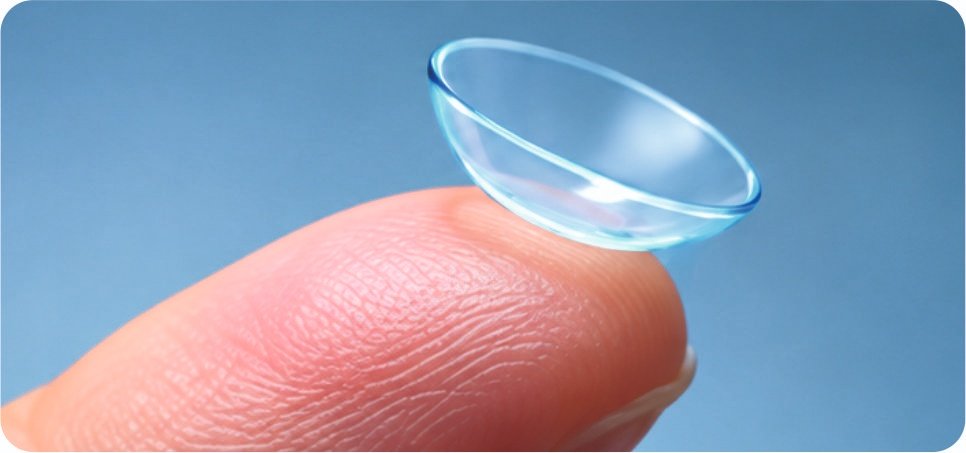
Selected patients may benefit from specialized lenses such as:
✓ Rigid Gas Permeable (RGP) lenses
✓ Scleral lenses
✓ Other specialty contact lenses
The choice depends on corneal shape, ocular-surface condition and visual requirements.
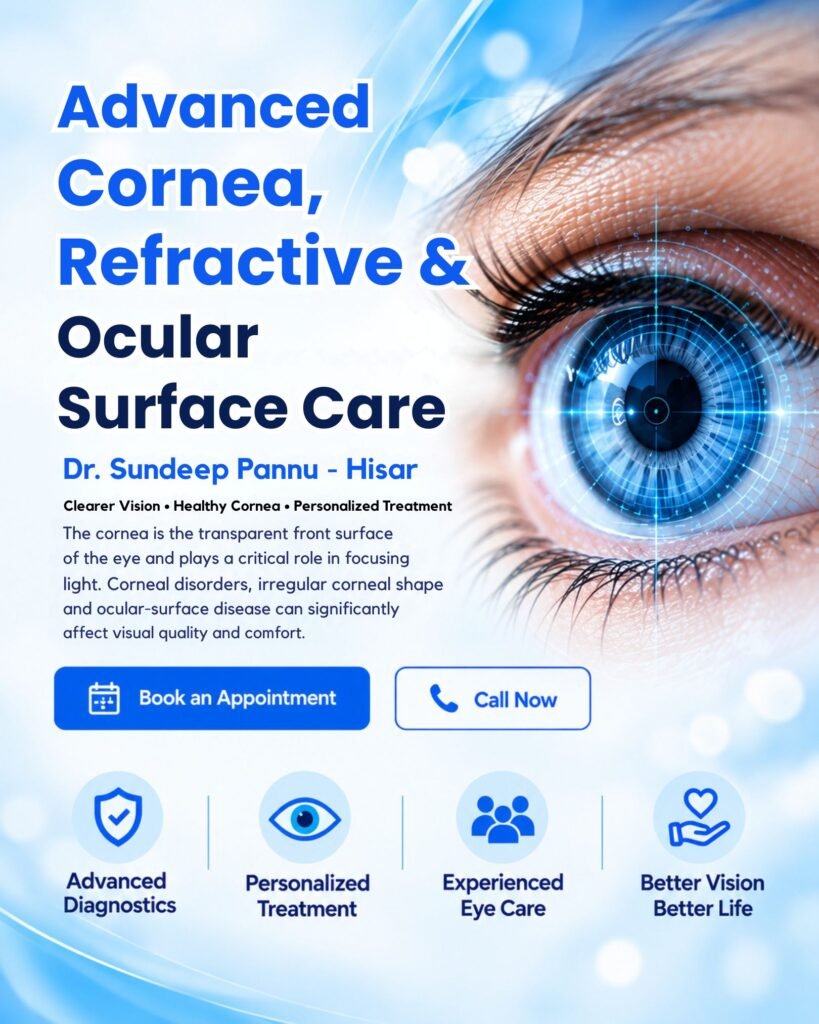
Cornea & Cataract — Integrated Care
Corneal health is particularly important when planning cataract or refractive surgery.
This integrated approach helps identify conditions that may influence surgical outcomes and visual quality.
When Should You See a Corneal Specialist?
An evaluation is advisable for:
✓ Progressive change in spectacle power
✓ Increasing astigmatism
✓ Distorted or blurred vision
✓ Poor vision despite updated glasses
✓ Persistent dry or irritated eyes
✓ Recurrent corneal infections
✓ Excessive light sensitivity
✓ Suspected keratoconus
✓ Previous corneal surgery or injury
✓ Considering LASIK or other refractive surgery